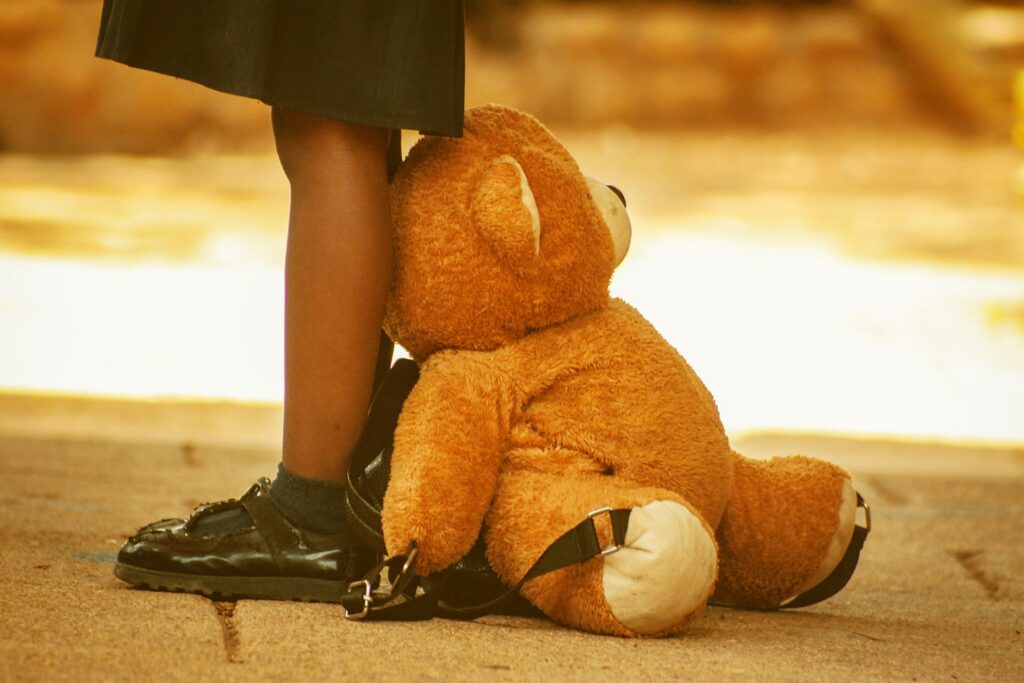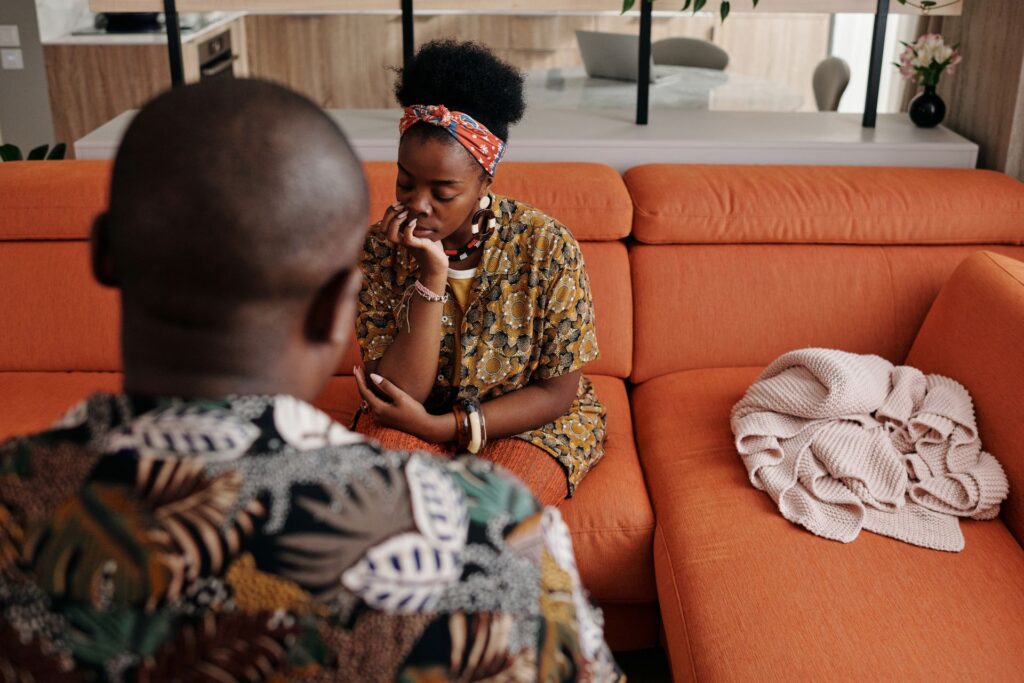


Marriage is one of life’s most profound relationships, offering a space for love, trust, and mutual growth. However, the emotional wounds from childhood trauma can sometimes resurface within the dynamics of a marriage, quietly influencing how we interact with our partners, often without our conscious awareness. This can lead to feeling unloved in a relationship or experiencing other relational issues that seem hard to resolve.
In this post, we’ll explore five ways childhood trauma can manifest in marriage and offer insights into how you can begin the healing process.
1. Emotional Triggers: Unseen Wounds Resurfacing
Childhood trauma often leaves us with emotional scars that can be easily triggered by our partner’s words or actions. These triggers might lead to overreactions, withdrawal, or a heightened sensitivity in certain situations. A seemingly small disagreement can escalate quickly because it taps into unresolved pain from the past. This can contribute to feeling unloved by your partner, as the emotional response may distance you from each other.
For instance, if a partner’s tone of voice reminds you of a critical parent, it might cause an outsized reaction, even if the intent was harmless. Recognizing these triggers is the first step toward addressing them in a healthy way.
2. Trust Issues: The Lingering Impact of Broken Trust
If trust was broken during childhood—perhaps by a parent or caregiver—it can be difficult to fully trust a partner, even if they’ve done nothing to deserve doubt. This can manifest as jealousy, suspicion, or an overwhelming fear of abandonment, which can create significant relational issues in a marriage. It’s not uncommon for someone in this situation to think, “Why do I feel unloved in my relationship?” even when their partner is trying to be supportive.
This mistrust often leads to behaviors like constant checking in, questioning a partner’s loyalty, or feeling anxious when they’re not around. Understanding where these feelings come from can help in addressing the root cause rather than the symptoms.
3. Communication Challenges: Barriers to Connection
Trauma can significantly impact how we communicate with our partners. You might find it hard to express your needs, fearing rejection or judgment. Alternatively, you may struggle to listen to your partner without feeling defensive or overwhelmed. These communication barriers can create a disconnect, making it difficult for both partners to feel understood and supported, often resulting in one or both partners feeling unwanted in the relationship.
For example, a person who grew up in a household where emotions weren’t openly discussed might find it challenging to talk about their feelings in a marriage, leading to misunderstandings and feelings of isolation.
4. Attachment Styles: The Lasting Effects of Early Relationships
Childhood trauma can influence our attachment style, shaping how we relate to our partner. You might find yourself feeling overly dependent, constantly seeking reassurance, or pushing your partner away, fearing intimacy and vulnerability. These patterns are deeply rooted in how we learned to relate to caregivers as children and can lead to thoughts like “I hate my husband” or “Why do I feel unloved in my relationship?”
Someone with an anxious attachment style may constantly fear that their partner will leave them, leading to clinginess or neediness, while someone with an avoidant attachment style might struggle with letting their partner get too close, keeping emotional distance as a form of self-protection.
5. Conflict Avoidance or Escalation: Unhealthy Patterns in Dispute Resolution
Trauma can lead to unhealthy patterns in handling conflict. You might avoid conflicts altogether, fearing confrontation, or you might escalate situations quickly, feeling the need to protect yourself. Both of these responses can prevent healthy resolution and deepen marital discord, making you feel even more unloved in the relationship.
For instance, avoiding conflict might seem like the easier route, but it often leads to unresolved issues that can build resentment over time. On the other hand, escalating conflicts can create a cycle of arguments that harm the relationship’s foundation.
Healing and Moving Forward: Creating a Path to a Healthier Marriage
Understanding how childhood trauma impacts your marriage is the first step toward healing. It’s important to approach this journey with compassion—for yourself and your partner. Here are some steps to consider:
Open Communication
Start by talking openly with your partner about your experiences and how they may be affecting your relationship. This can build understanding and empathy between you. Sharing your vulnerabilities can foster a deeper connection and create a supportive environment for both partners to heal.
Therapeutic Support
Working with a therapist can provide a safe space to explore these issues and develop healthier patterns. If you’re looking for a couples therapist who will be able to support you and your partner, at Knew You Psychotherapy, we specialize in helping couples navigate these challenges together, using approaches like the Gottman Method to rebuild connection and trust.
Self-Compassion
Healing from trauma is a process that requires patience and kindness toward oneself. Be gentle with yourself as you uncover these patterns and work toward positive change. Remember, it’s okay to seek help and take small steps forward.
Final Thoughts: Turning Your Marriage into a Source of Healing
Your marriage can become a source of healing and growth, not just for your relationship but for the individual healing of both partners. By recognizing the impact of childhood trauma and taking steps to address it, you can create a stronger, more resilient partnership.
If you’re ready to explore how to strengthen your marriage and address the impact of childhood trauma, Knew You Psychotherapy is here to help. We believe in the power of healing through connection and are committed to helping you and your partner build the marriage you both deserve.
Ready to take the next step? Contact us today to schedule a consultation or learn more about our specialized couples therapy services. Together, we can create the path to a healthier, more fulfilling relationship.